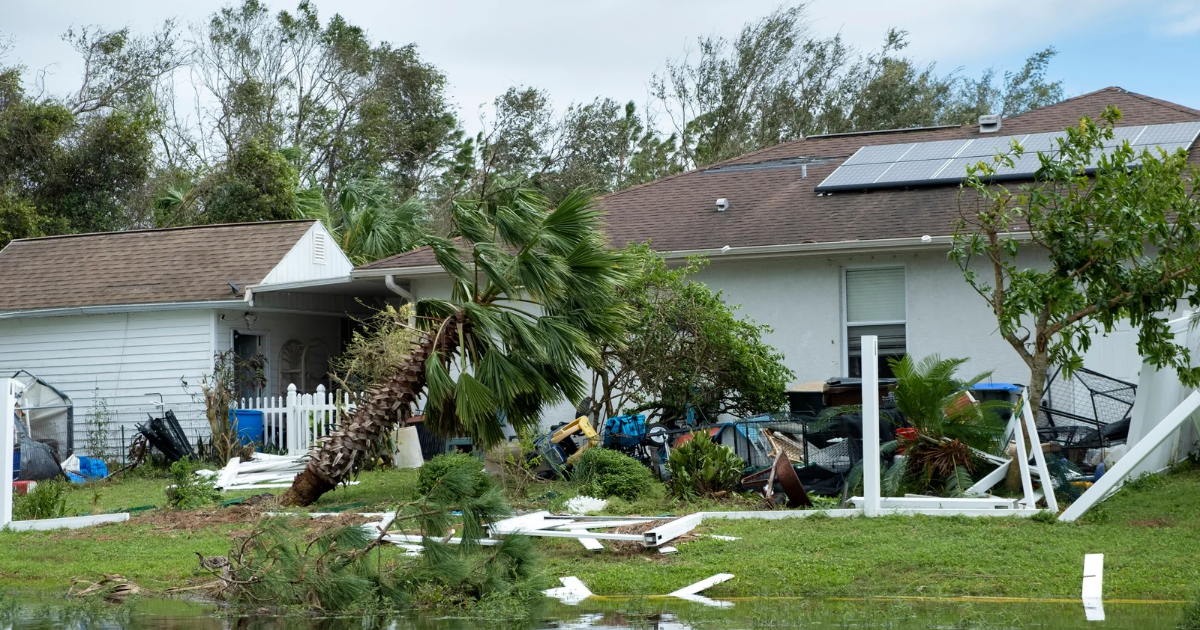
Severe weather can quickly increase demand for towing and roadside recovery services. Flooded vehicles, road closures, breakdowns and hazardous driving conditions can leave towing companies coordinating more drivers across wider service areas.
For dispatch teams, this creates an operational challenge: knowing which trucks are available, where drivers are working and how to assign incoming recovery requests efficiently.
Communication is also important for driver safety. Research from the AAA Foundation for Traffic Safety identified 123 roadside assistance providers who were struck and killed by vehicles while working between 2015 and 2021. Of these incidents, 89% occurred on roads with speed limits of 55 mph or higher.
When demand increases and conditions become more challenging, reliable communication and fleet visibility become particularly important.
Here are five ways towing businesses can strengthen dispatch and fleet communications.
1. Keep Dispatch And Drivers Connected
When recovery requests increase, dispatchers need to communicate quickly with drivers and coordinate incoming jobs.
Business mobile phones and push-to-talk solutions provide dedicated communication tools for dispatch teams and recovery operators.
They can help teams:
- Assign incoming recovery requests.
- Share pickup locations and job details.
- Communicate road closures and changing conditions.
- Coordinate additional trucks when demand increases.
- Report delays, incidents and completed jobs.
Consistent communication channels help reduce confusion and keep dispatchers informed as recovery operations change throughout the day.
2. Improve Visibility Into Available Recovery Trucks
Knowing where trucks are located helps dispatchers make informed decisions when assigning jobs. GPS and fleet tracking solutions provide visibility into vehicle locations, helping teams coordinate recovery operations across multiple service areas.
Consider how tracking can support:
- Truck location: Identify where recovery vehicles are operating.
- Fleet availability: Help dispatchers determine which drivers may be available for new jobs.
- Job allocation: Assign suitable trucks based on their location.
- Equipment visibility: Improve oversight of vehicles and tracked equipment.
Combining GPS tracking with driver communications gives dispatch teams better information when coordinating incoming requests.
3. Maintain Connectivity Across Recovery Vehicles
Recovery trucks operate across highways, residential areas, rural roads and temporary roadside locations. Drivers may need to access dispatch systems, receive job details and communicate with customers or other team members while working away from the office.
EverLink from Premier Wireless combines available connectivity options, including fiber, LTE/5G and satellite, with intelligent failover capabilities.
For towing businesses, this can support:
- Connectivity within recovery vehicles.
- Access to dispatch and operational applications.
- Mobile internet at temporary field locations.
- Connectivity for equipment and connected devices.
If a primary connection becomes unavailable, EverLink can switch to another available connection, helping maintain access to important applications and communications. For businesses operating across large service areas, planning for alternative connectivity can help reduce reliance on a single internet connection.
4. Consider Satellite Connectivity Beyond Cellular Coverage
Towing operators may travel beyond traditional cellular coverage, particularly when responding to incidents on rural highways or remote roads.
Satellite connectivity provides another communication option when terrestrial cellular service is unavailable.
T-Mobile's T-Satellite connects compatible smartphones directly to satellites, supporting text messaging, location sharing and selected satellite-ready applications beyond cellular coverage.
For recovery operators, this can provide another way to share updates from locations without conventional cellular service.
5. Prepare Your Dispatch And Communications Plan
When severe weather increases recovery demand, businesses need to be ready to coordinate additional jobs and changing operating conditions.
Review your current setup before the next disruption.
Consider:
- Communication devices: Do all drivers have access to suitable business phones?
- Dispatch procedures: Can dispatchers quickly assign jobs and share location details?
- Fleet visibility: Can managers identify truck locations and potential availability?
- Driver check-ins: Do drivers have clear procedures for reporting delays, hazards and incidents?
- Network resilience: Are alternative connectivity options available when cellular or internet services are disrupted?
- Technical support: Who manages devices, connectivity and troubleshooting?
Having these systems in place helps dispatch teams coordinate resources and keep drivers informed when normal operations are disrupted.
How Premier Wireless Supports Towing & Recovery Fleets
Effective recovery operations depend on communication between dispatchers, drivers and fleet managers. Premier Wireless helps towing businesses assess and deploy connectivity solutions around their operational requirements.
Solutions for towing and recovery fleets include:
- Business Mobile Phones And Push-To-Talk: Connect dispatchers, drivers and operations teams.
- GPS And Fleet Tracking: Improve visibility into recovery truck and equipment locations.
- EverLink: Combine cellular, fiber and satellite connectivity with intelligent failover for recovery vehicles and field locations.
- T-Satellite: Add satellite-based communication options for compatible devices and supported services beyond cellular coverage.
As a T-Mobile Partner, we bring together nationwide connectivity, device deployment, technical expertise and ongoing support through one accountable partner.
Keep Dispatch Connected. Keep Your Recovery Fleet Moving.
Whether you're managing increased recovery demand or reviewing your existing fleet communications, Premier Wireless can help identify solutions to support your dispatch and field operations.
Contact us to discuss your towing fleet connectivity requirements.