Schools must be prepared for severe weather, outages, and safety incidents to protect students, support staff, and maintain community trust.
True school safety readiness goes beyond written plans and emergency drills. It requires the right communication systems, reliable connectivity, and operational visibility to support fast, informed decision-making when conditions change. In moments of uncertainty, the ability to stay connected can define how effectively a school responds.
Why Preparedness Starts with Communication
During an emergency, multiple systems must function simultaneously. Phone systems, security cameras, access controls, emergency alerts, and transportation coordination all play a role in maintaining safety and order. When these systems rely on a single network connection, a single point of failure can disrupt multiple services at once.
School leadership teams increasingly recognize the importance of layered communication strategies — approaches that ensure continuity even if primary systems go offline. This mindset shift reflects a broader understanding: preparedness is not about predicting every scenario, but about building resilient systems that continue working under stress.
Below are five key areas where the right technology can help schools stay connected, coordinated, and prepared when the unexpected occurs.
1. Campus Communication: Maintaining Clarity in Critical Moments
Cellular-backed communication plays a critical role in building resilience across school environments. Unlike systems that rely solely on local power, on-campus hardware, or wired internet connections, cellular-enabled solutions can continue operating during outages, congestion, or infrastructure failures.
Leveraging a high-speed 5G internet solution powered by T-Mobile’s nationwide network adds a significant layer of reliability to school communications. T-Mobile’s award-winning 5G network—recognized for its speed, coverage, and capacity—is well suited for failover connectivity, remote locations, and even primary internet access for smaller facilities or satellite sites.
In real-world school scenarios, this type of cellular failover can make a meaningful difference:
- During power or fiber outages, when VoIP phone systems and wired internet go down, a T-Mobile 5G backup keeps communication channels open.
- In severe weather events, cellular connectivity allows safety systems, cameras, and alerts to remain operational when campus infrastructure is impacted.
- During emergencies or high-call-volume situations, T-Mobile’s network capacity helps reduce the risk of congestion that can prevent calls from going through.
- At remote or temporary locations, such as modular classrooms, athletic facilities, or administrative offices, 5G connectivity provides reliable access without the delays of wired installs.
By relying on a carrier-grade network like T-Mobile’s, schools gain a dependable safety net—one that helps leadership teams maintain visibility, coordination, and control when conditions are most challenging. Failover doesn’t eliminate disruptions, but it ensures outages don’t turn into complete communication breakdowns at the moments when connection matters most.
2. CPR³ Program: Supporting School Resource Officers
School Resource Officers are often at the center of emergency response efforts. Their ability to communicate effectively with school leadership, staff, and first responders can directly impact outcomes.
Premier Wireless’ CPR³ Program is designed to support SROs with reliable, priority connectivity that extends beyond traditional wired systems. Cellular-based communication allows officers to remain connected even if campus networks are unavailable or overwhelmed — helping leadership maintain real-time coordination with on-site safety personnel.
3. ConnectED Bus: Extending Safety Beyond Campus
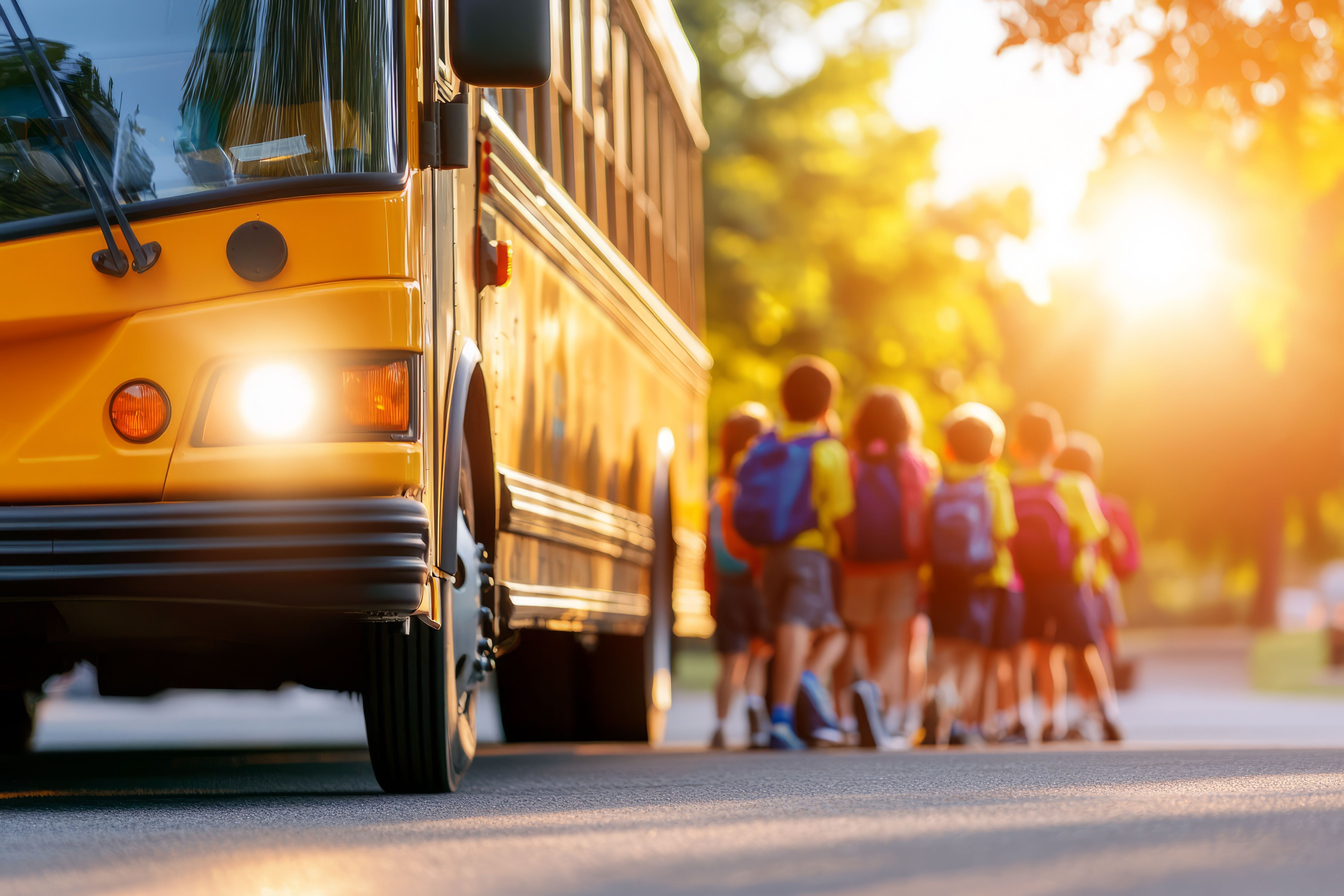
Safety planning does not stop at the school doors. Student transportation is a critical extension of the school environment, and emergencies can occur during transit.
ConnectED Bus solutions bring connectivity to school buses, allowing leadership teams to communicate with drivers, monitor routes, and respond quickly to unexpected situations. Whether facing severe weather, traffic disruptions, or medical concerns, connected transportation provides visibility that supports faster, more informed decision-making.
4. POTS Line Replacement: Protecting Legacy Emergency Systems
As traditional copper phone lines are phased out nationwide, schools must address the reliability of legacy systems such as fire alarms, elevator phones, and emergency call boxes.
Cellular POTS line replacement solutions offer a modern alternative, maintaining critical voice connectivity even during power or internet outages. For school leaders, this supports compliance, continuity, and confidence that essential emergency systems remain operational at all times.
5. Redundant Connectivity: Preparing for the Unexpected
Preparedness depends on having backup communication paths when primary systems fail. Redundant connectivity ensures that safety systems, administrative communications, and emergency response tools remain operational during outages.
Failover solutions do not eliminate disruptions — but they ensure outages don’t escalate into full operational shutdowns. This layered approach allows leadership teams to stay focused on student safety and continuity, rather than scrambling to restore communication.
Leadership Means Planning Beyond the Plan
School safety readiness is ultimately a leadership responsibility. While no solution can prevent every incident, investing in resilient communication systems creates stability during uncertainty.
As a T-Mobile Pinnacle Partner, Premier Wireless supports schools with carrier-grade connectivity and safety-focused solutions designed for reliability, redundancy, and preparedness — helping leadership teams stay ready for both everyday challenges and the unexpected. Let’s make sure your school is ready for whatever comes next. Talk with Premier Wireless about building a resilient connectivity strategy, email us at sales@pwbts.com.
Related Articles

Feb 6, 2026, 12:00:00 AM

Sep 1, 2023, 12:00:00 AM
Jul 25, 2025, 12:00:00 AM